







Search Results for: overnight storage
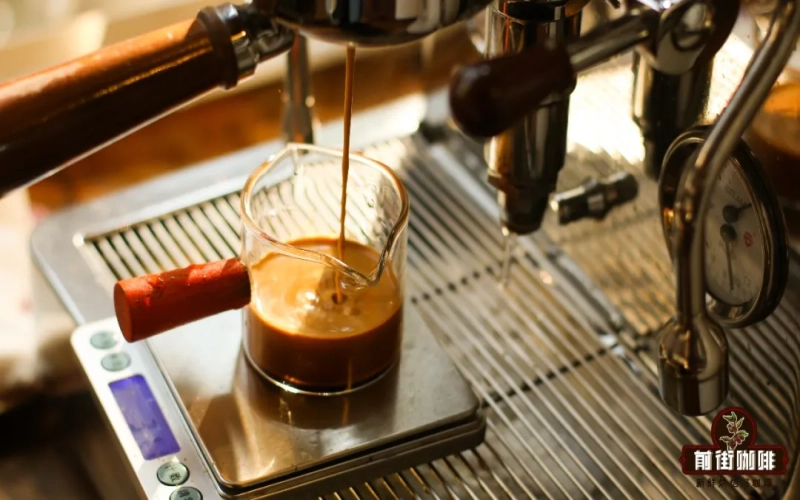
Can Overnight Refrigerated Espresso Still Be Drunk? A Taste Test of Flavor Differences Between Refrigeration and Freezing
If the brewed espresso isn't finished on the same day, can it be safely stored in the fridge or freezer overnight and still be enjoyed the next day? Beyond food safety concerns, what coffee lovers really care about is whether the flavor will take a serious hit. Front Street Coffee used the same espresso blend, storing espresso in the refrigerator and freezer overnight respectively, then comparing them with freshly brewed espresso—tasting each as straight espresso, Americano, and milk coffee—to see just what overnight coffee turns into, and how big the gap is between freezing and refrigerating. [more…]
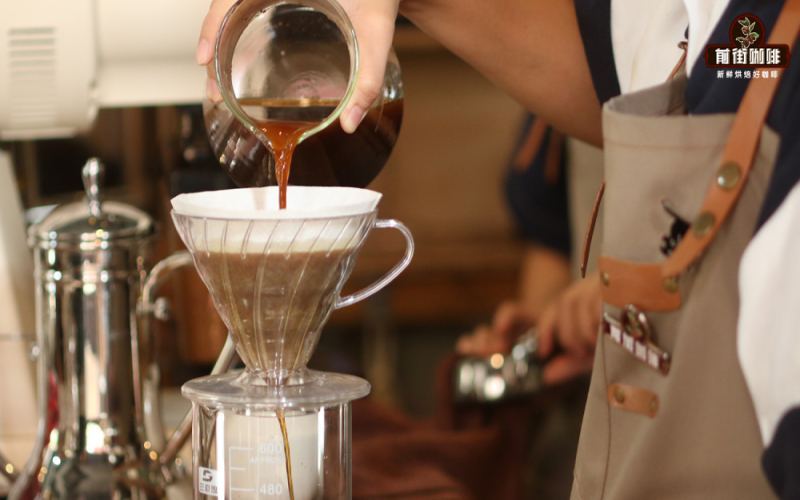
Is Cold Brew Coffee Suitable for Long-Term Storage? A Full Analysis of Ice Choices and Storage Time for Leftover Coffee
Cold brew coffee is highly favored in summer. It is usually made by steeping coffee in the refrigerator overnight using a coffee filter, and can be prepared by either pour-over or drip methods. It takes about 12 to 18 hours, yet the flavor is quite excellent. Many people believe that iced coffee is better than hot coffee, like a dessert in a glass. With ice cubes, coffee, flavored syrup, and dairy products combined, the result is amazing, and it can easily be made at home. When making it, you should choose high-quality coffee beans. Front Street Coffee's dark-roasted Brazil and Mandheling coffees are both good choices. The type of ice also matters. Crushed ice, medium ice cubes, and large ice cubes each have their own suitable uses. As for whether leftover cold brew can be stored in the refrigerator, the answer depends on the type of coffee and the storage method. Cold brew can be refrigerated for 2 to 3 days, while drip iced coffee is best kept for no more than 24 hours. [more…]
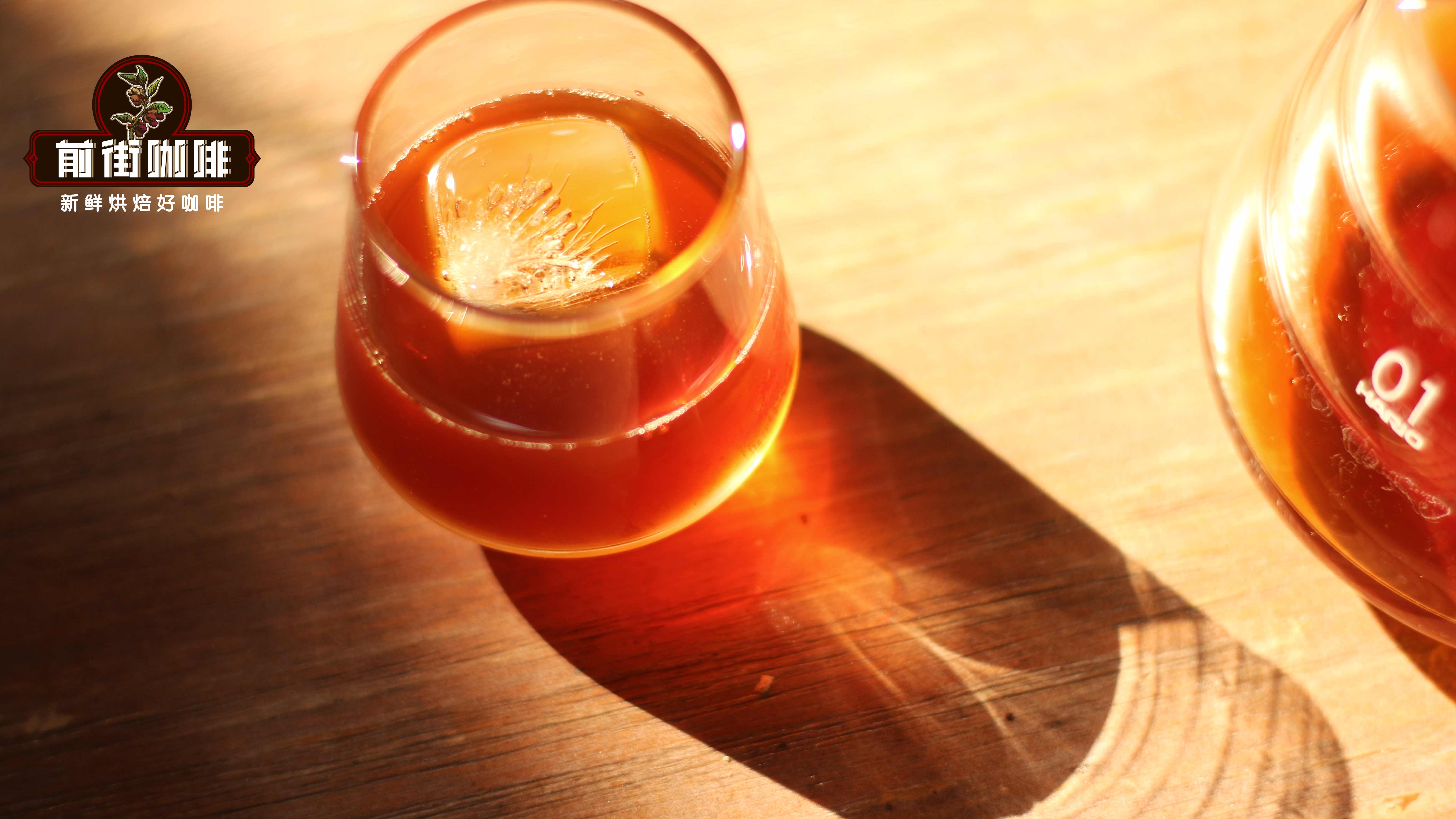
How to Make Ice Cube Coffee? Espresso Freezing and Storage Tips with Three Pre-Made Options: Iced Americano, Iced Latte, and Iced Pour-Over
On a scorching summer day, a glass of iced coffee never fails to bring instant refreshment. But on a busy morning, who has the patience to wait for a cold brew to slowly filter? This time, Front Street Coffee is sharing a lazy-person solution that only requires freezing coffee liquid into ice cubes ahead of time and simply adding water or milk before heading out—ice cube coffee. The article breaks down in detail three methods: ice cube Americano, ice cube latte, and ice cube pour-over, explaining everything from bean selection and extraction parameters to freezing and melting details, while also objectively analyzing the loss of oils and aroma in pre-made coffee. If you want to sleep ten extra minutes without giving up a decent glass of iced coffee, this method is worth a try. [more…]

Does cold brew coffee need to be sealed for storage? Where does the fermented wine aroma come from? A complete guide to making fruity cold brew coffee
Cold brew coffee, with its refreshingly smooth texture and complex, layered flavors, has become a favorite among coffee lovers in summer. But when it comes to making and storing cold brew, many people still have questions: Does it need to be sealed after extraction is complete? Why does it give off a fermented aroma reminiscent of wine after sitting in the refrigerator overnight? Starting from the principles of low-temperature extraction, this article will analyze the oxidation process of cold brew coffee and the necessity of sealed fermentation, and share Front Street Coffee's cold brew parameters, detailed steps, and how to create a fruit-forward cold brew recipe through a two-bean blend, helping you make a cup of cold brew with full flavor and a pronounced sweet aftertaste. [more…]

Ice Drip Coffee Fermentation Duration and Cold Brew Optimal Drinking Window: Production Key Points and Storage Recommendations
Cold brew coffee takes a long time to make, so it is often available only in limited quantities at cafés. It originated in Europe and is said to have been invented by the Dutch, which is why it is also called Dutch Coffee. During preparation, ice water seeps through the coffee grounds by dripping naturally, eventually flowing drop by drop into the lower pot, so it is also known as water-drip coffee, and the whole process usually takes more than 8 hours. This article will introduce the steps for making cold brew coffee in detail, including the key aspects of the coffee-to-water-to-ice ratio, grind size selection, filter paper placement, and drip rate control, while also answering common questions about cold brew coffee fermentation time and the best drinking period. The article also uses Front Street Strawberry Candy coffee beans as an example for a practical demonstration and explains the effect of low-temperature refrigeration "aging" on flavor, as well as why it is recommended to drink it within 5 days. [more…]
What Is the Difference Between Ice Drip and Cold Brew Coffee? A Detailed Guide to the Ice-Brewed Coffee Process and Storage Tips
Ice drip coffee and cold brew coffee are often confused with each other—what exactly is the difference between the two? This article provides a comprehensive breakdown of the differences between ice-brewed coffee and cold brew coffee, covering extraction principles, equipment selection, brewing steps, and coffee bean recommendations. It details how beans such as Front Street Strawberry Candy, Huakui, and Flower Butterfly perform in ice drip brewing, and includes a complete ice drip procedure along with storage suggestions. Whether you prefer floral notes or fermented wine-like aromas, you'll find an iced coffee solution that suits you, while also learning about the respective flavor windows and storage key points for ice drip and cold brew. [more…]
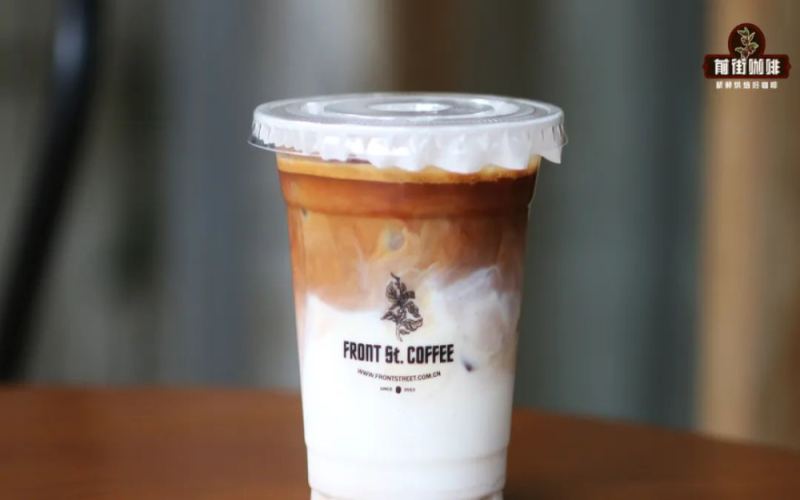
Should Americano and Latte Be Drunk Hot or Left to Cool? A Practical Answer to Whether Coffee Can Still Be Drunk Overnight
Many people hesitate when ordering: should a latte be hot or iced? And how long do you have to finish an Americano? In fact, temperature, personal taste, and body constitution all sway the answer, and our senses perceive sweetness, acidity, and bitterness differently at different temperatures. From the perspective of Front Street Coffee, this article clarifies the basic makeup of an Americano and a latte, explains why coffee tastes more acidic as it cools and why its aroma fades after sitting out, and touches on roughly when caffeine takes effect. Finally, it answers a frequently asked question: can you drink coffee that's been left overnight, and in which cases must it be poured out? [more…]
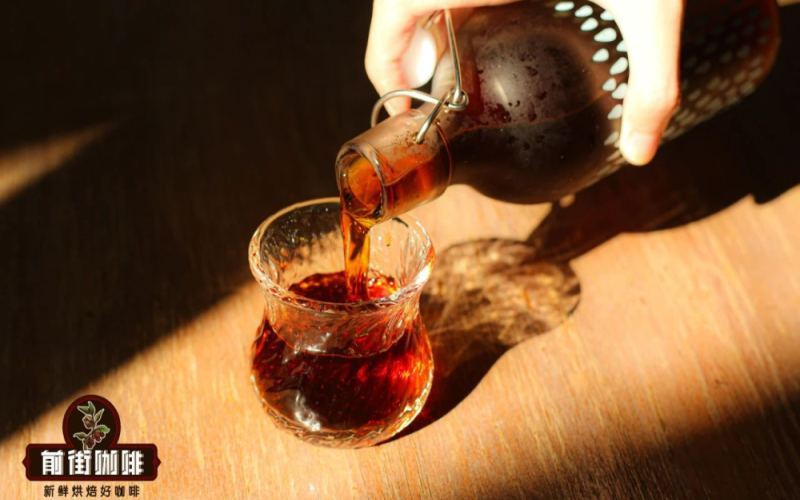
The Complete Guide to Cold Brew Coffee: How Grind Size, Coffee-to-Water Ratio, and Steeping Time Affect Flavor
On a sweltering summer day, a glass of refreshingly cool cold brew coffee becomes the top choice for many office workers. Compared with pour-over coffee, cold brew has a lower barrier to entry—simply grind the beans and soak them the night before, refrigerate overnight, and the next morning you can enjoy a rich, full-bodied glass of iced coffee. However, to make a delicious cold brew, the coffee-to-water ratio, grind size, extraction temperature, and time are all indispensable parameters. Front Street Coffee, using 50 grams of ground coffee as the baseline, has summarized a simple and easy-to-follow cold brew method and offers concentration adjustment suggestions for different drinking scenarios. This article will break down in detail the key points of making cold brew, the causes of its flavor, and storage methods, helping coffee enthusiasts easily recreate at home a cup of cold brew with distinct layers and a pronounced sweet aftertaste. [more…]
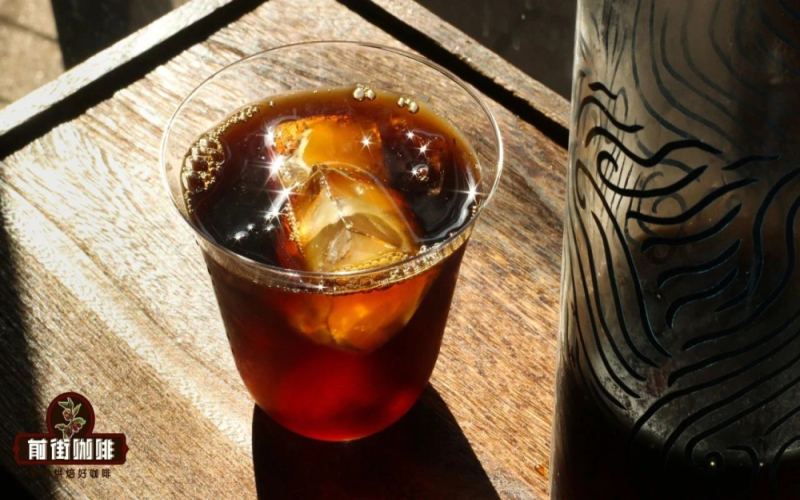
Analysis of the Relationship Between Cold Brew Steeping Time and Flavor: A Guide to Overnight Drinking, Caffeine Content, and Healthy Consumption
Cold brew coffee, with its low-temperature extraction and easy operation, has become the top choice for many coffee lovers making iced coffee at home. But there are still plenty of questions surrounding it: Can you still drink it after leaving it overnight? Does it have less caffeine than hot coffee? How should you drink it to be healthier? Drawing on Front Street's hands-on testing experience, this article uses Red Cherry coffee beans in a comparative experiment with different steeping durations, sorts out the coordination logic among grind size, coffee-to-water ratio, and time, and offers two everyday cold brew scenarios to help you reliably make a delicious and reassuring cup of cold brew within the safe window of 8–18 hours. [more…]
Analysis of Cold Brew Coffee Ratios and the Reason for Fermenting Overnight After Extraction
Cold brew coffee is a popular drink in summer. Its low-temperature, long-extraction method gives the coffee a clean and smooth taste. But many people wonder: why does cold brew need to be placed in the refrigerator to ferment overnight after extraction before it can be drunk? In fact, this step is more accurately an oxidation process. Based on Front Street Coffee's production experience, this article introduces the extraction principles of cold brew coffee, the coffee-to-water ratio, the specific operating steps, and the approach to choosing blended beans. Front Street will also share how pairing two kinds of coffee beans can make cold brew's flavor layers more prominent while preserving the unique aroma and rich mouthfeel brought by fermentation. [more…]
Cold Brew Coffee Steeping Time Fully Explained: From 8 to 18 Hours, Can It Be Stored Overnight After Filtering?
Cold brew coffee, with its low-temperature steeping and simple operation, has become a popular choice for making iced coffee at home. But steeping times range from 8 to 18 hours—so how long is best for optimal flavor? Can filtered cold brew be left overnight? Starting from Front Street Coffee's own testing, this article uses four comparison experiments with different steeping durations to reveal how time affects cold brew flavor, offers two practical timing plans for everyday scenarios, and shares how refrigerating after filtering improves the flavor, helping you easily make a balanced, full-bodied iced coffee at home. [more…]
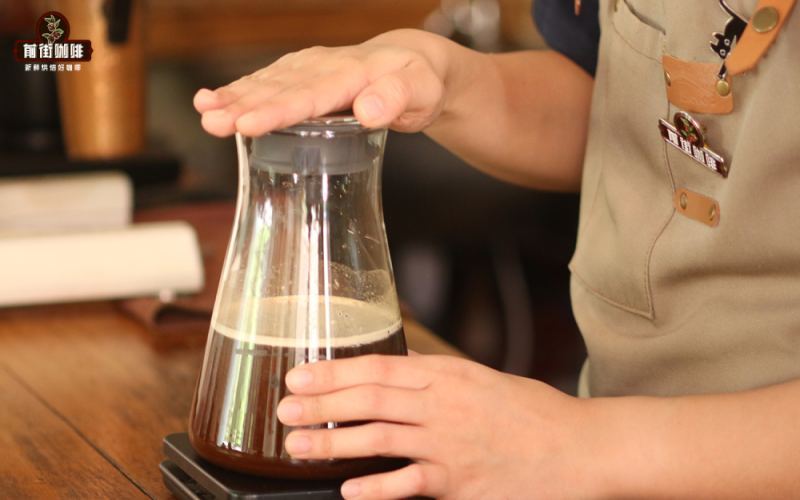
Cold Brew Coffee Shelf Life Fully Explained: Home Methods for Ice Drip and Cold Brew, Extraction Parameters, and Grind Size Recommendations
On a hot summer day, cold brew coffee becomes a favorite for many people. But how long can prepared cold brew be stored? What details should be noted when making ice drip and cold brew at home? This article provides a detailed explanation of the shelf life of cold brew coffee, the role of refrigerated aging, the flavor differences brought by different bean varieties, and the extraction parameters and grind size for ice drip and cold brew. At the same time, Front Street Coffee also gives specific suggestions based on the cold brew performance of its own beans such as Kenya, Strawberry Candy, and Gitiding Cooperative. Whether you are a beginner or a seasoned enthusiast, you can find practical references here. [more…]
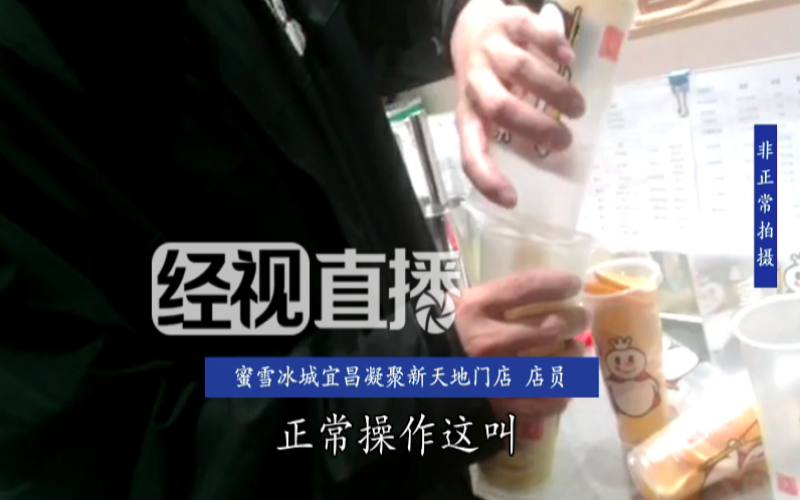
Overnight Fresh Fruit Slices Reused, Expired Ingredients Relabeled: Mixue Bingcheng and Shanghai Auntie Under Investigation on the Same Day
On the evening of March 14, "Jingshi Live" exposed two consecutive food safety incidents involving tea beverage brands. The Mixue Bingcheng store at Wuyi Ningju Xintiandi in Wuhan was accused of hiding leftover lemon and orange slices from the day under the counter at room temperature and using them the next day to make signature drinks; the Hushang Ayi store at Hankou City Plaza was exposed for altering the shelf-life labels of toppings to "extend the life" of expired ingredients. The market supervision authorities in both places have separately filed investigations into the stores involved. Among them, the Mixue Bingcheng store involved was sealed and shut down, while the Hushang Ayi store involved was immediately closed. As a content platform that also follows developments in the coffee and beverage industry, Front Street Coffee continues to track such food safety issues. The details of the incidents are as follows. [more…]
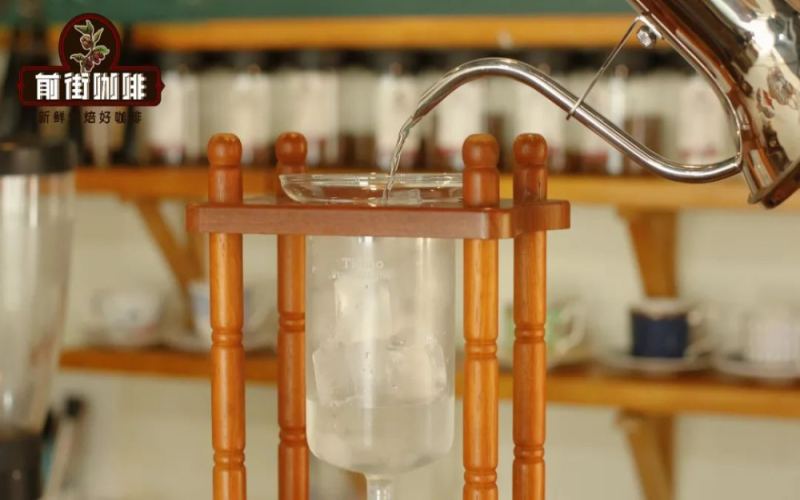
The Best Way to Drink Cold Brew Coffee | Why Should Cold Brew Coffee Be Fermented Overnight After Extraction Before Drinking? What Are the Advantages of Cold Brew Coffee?
For more specialty coffee knowledge, please follow our WeChat official account: FrontStreet Coffee. Cold brew coffee has always been very popular. On hot summer days, when people come into the shop, many of them choose a cold brew coffee. Take a sip of cold brew—the icy coffee feels clean and smooth in the mouth. [more…]

Investigation into the Cross-Province Overnight Delivery of 8,000 Cups of Yidian Dian Milk Tea to Shanghai: The High-Price Resale Chain and Food Safety Risks
During the May Day holiday, "group leaders" in several Shanghai communities organized group buys of a Little Tea, with over 8,000 cups of drinks transported across provinces from out-of-town stores, arriving in consumers' hands overnight or even after nearly 24 hours. The group-buy price was double the official price, and the resellers were accused of profiting about 250,000 yuan. The total bacterial count in these milk teas rose sharply over time at room temperature, and some consumers developed gastroenteritis symptoms after drinking them. The Little Tea brand later issued a statement expressing shock at the high-priced reselling and reminding consumers to choose compliant channels carefully. This article reviews the course of the incident, the food safety data, and responses from all parties, while also offering coffee lovers Front Street Coffee's professional purchasing advice. [more…]

Coffee Equipment | What equipment is needed to make ice drip cold brew? How long can ice drip cold brew coffee be stored? Why does cold brew ice drip taste better after sitting overnight?
For more specialty coffee knowledge, please follow our WeChat public account: Front Street Coffee (FrontStreet Coffee). Recently, more and more friends have been making cold brew coffee, ice drip coffee, and other cold-brewed coffees at home. The ice drip coffee that Front Street prepares in advance is also in short supply. Many friends have also asked, [more…]
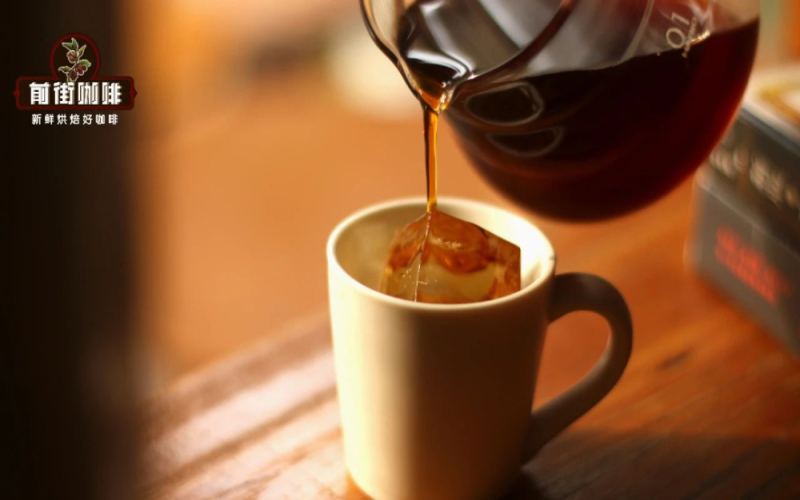
How to Make Cold Brew Coffee? Shelf Life and Flavor Characteristics, with Four Front Street Coffee Bean Recommendations
Cold Brew Coffee is made by steeping ground coffee in room-temperature water for about 12 hours, then filtering out the grounds to obtain the coffee liquid. Compared with conventional hot brewing methods, its coffee flavor is more concentrated, less bitter, and smoother on the palate. However, the longer cold brew sits, the more pronounced its fermented aroma becomes, so the taste you get each day will vary. Front Street recommends drinking it within 3 to 4 days. Although it sounds cumbersome, it is actually quite simple: steep the ground coffee in cold water, leave it in the fridge overnight, and filter out the grounds. In addition to explaining the key points of preparation, this article also recommends four Front Street Coffee beans suitable for cold brew, along with specific recipes and steps. [more…]
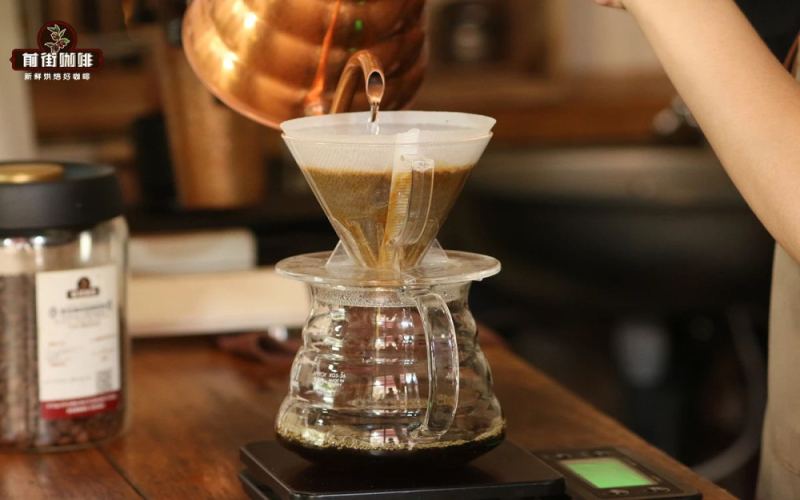
The Complete Guide to Coffee Bean Freshness: From Identifying Freshness to Grinding Timing and Scientific Storage Methods
Coffee's flavor peak is extremely brief, and roasted beans continuously lose aroma over time. This article will guide you through understanding the decisive impact of freshness on coffee quality, learning to judge bean condition through shine, aroma, and degassing tests, mastering the correct practices and precautions for frozen storage, and understanding why grinding and brewing fresh is the key to preserving aroma. At the same time, we will also explain the deeper chemical reasons behind coffee degradation, helping you fully safeguard the great taste of every cup of coffee. [more…]
A Detailed Guide to Cold Brew Coffee Storage Methods, No-Fridge Brewing Tips, and Optimal Drinking Window
Cold brew coffee has become increasingly popular among coffee enthusiasts in recent years thanks to its rich, full-bodied character, low bitterness, and smooth mouthfeel. But many people still have questions about how to store it, how long it keeps, and what to do when there's no refrigerator available. This article will systematically answer how long cold brew coffee lasts, how to extend its flavor lifespan, and introduce practical methods for making cold brew without a refrigerator. At the same time, drawing on the flavor profiles of several beans—Front Street Coffee Yirgacheffe Red Cherry, Costa Rica Mozart, Colombia Pink Bourbon, and Panama Butterfly—it offers bean selection advice and detailed brewing parameters suited to cold brew, helping you easily make a cup of cold brew iced coffee with high distinctiveness and excellent sweetness. [more…]
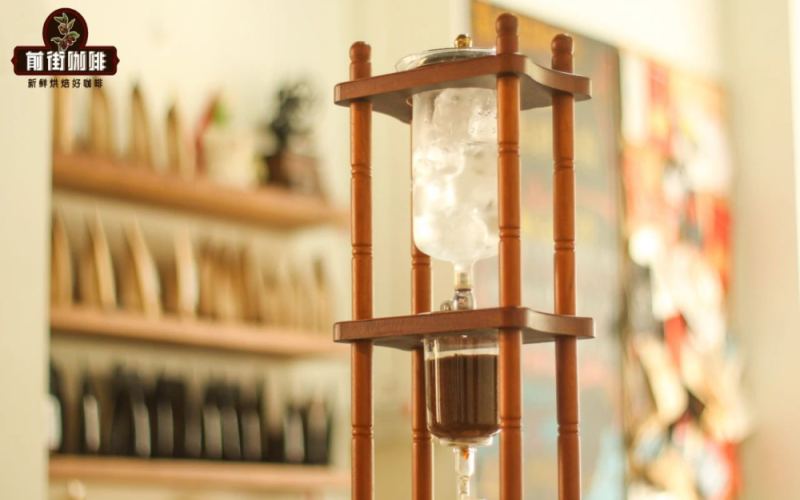
Why Isn't Cold Brew Coffee Sour or Astringent? A Detailed Explanation of Its Taste Characteristics, Brewing Method, and the Principles of Low-Temperature Aging
Ice drip coffee is known for its clean, full-bodied, smooth taste and rich fermented wine aroma, but many people mistakenly think it contains alcohol when they first encounter it. In fact, ice drip is a type of cold brew coffee, made by extracting drop by drop with ice water over a long period. Freshly made ice drip is not at its best for drinking; it needs low-temperature aging in the refrigerator to reveal its full fruity feel and wine aroma. Based on Front Street Coffee's production practice, this article explains in detail the coffee-to-water ratio, drip rate, aging time, and storage recommendations for ice drip, giving you a comprehensive understanding of the flavor sources and key production points of ice drip coffee. [more…]